Showing posts with label vitamin C. Show all posts

Tuesday, December 17, 2024

The Nutritional Power of Plums: A Vitamin-Rich Delight

Plums are more than just a tasty fruit; they are a powerhouse of essential vitamins that support overall health and well-being. Among the many nutrients they offer, vitamin C takes center stage. Known for its antioxidant properties, vitamin C is crucial for bolstering the immune system, protecting cells from oxidative damage, and promoting radiant skin by enhancing collagen production. Additionally, this vitamin aids in the absorption of iron from plant-based foods, making plums especially beneficial for vegetarians and individuals prone to iron deficiency. Remarkably, a single plum can provide up to 10% of the daily recommended intake of vitamin C, depending on the variety and size.

Another standout nutrient in plums is vitamin K, which plays a pivotal role in blood clotting and bone health. Adequate vitamin K levels can prevent excessive bleeding, reduce the risk of fractures, and support long-term cardiovascular health by preventing arterial calcification. A medium-sized plum contains approximately 5-10% of the daily vitamin K requirement, making it a valuable addition to any diet aimed at strengthening bones and maintaining healthy blood flow.

Plums are also a rich source of vitamin A, primarily in the form of beta-carotene. This precursor to vitamin A is vital for eye health, particularly in reducing the risk of age-related macular degeneration and night blindness. It also supports immune defense and facilitates cell growth and repair. Once consumed, the body converts the beta-carotene in plums into vitamin A, ensuring a steady supply of this essential nutrient.

In addition to these key vitamins, plums contain smaller amounts of B vitamins like vitamin B6 and folate. These nutrients are instrumental in energy metabolism, brain health, and the production of red blood cells. Folate, in particular, is vital for pregnant women, as it supports fetal development and reduces the risk of neural tube defects.

With their robust vitamin profile and myriad health benefits, plums are a delicious and nutritious way to enhance a balanced diet, making them a smart choice for people of all ages.
The Nutritional Power of Plums: A Vitamin-Rich Delight

Saturday, November 16, 2024

Apples: A Nutritious and Versatile Superfood

Apples are among the most widely consumed fruits globally, cherished for their crisp texture and a balanced sweet-tart flavor. Beyond their delicious taste, apples are nutritional powerhouses, offering a plethora of health benefits that make them an indispensable addition to any diet.

One standout nutrient in apples is vitamin C (ascorbic acid), a potent antioxidant. This vitamin is essential for combating oxidative stress caused by free radicals, thereby reducing the risk of chronic diseases like cancer and heart disease. Vitamin C also bolsters the immune system and facilitates collagen production, which is vital for maintaining healthy skin, cartilage, and bones.

While vitamin C takes the spotlight, apples also contain vitamin A, which supports vision, immunity, and cell growth, and a suite of B vitamins, including B6 (pyridoxine), B1 (thiamine), and B2 (riboflavin). These B vitamins are integral to energy metabolism, red blood cell production, and the maintenance of healthy skin and nervous system function.

A significant health benefit of apples lies in their dietary fiber content, especially pectin, a soluble fiber. Pectin helps regulate blood sugar by slowing digestion, which prevents sudden spikes in glucose levels. It also enhances gut health by promoting beneficial gut bacteria and aids in reducing LDL cholesterol, thereby supporting cardiovascular health. Recent studies have linked regular apple consumption to a reduced risk of type 2 diabetes, attributed in part to this fiber content.

Apples also contain phytonutrients, such as flavonoids and polyphenols, which possess anti-inflammatory and antioxidant properties. These compounds have been associated with improved brain function and a lower risk of neurodegenerative diseases.

Incorporating apples into daily routines is simple and versatile. They can be enjoyed fresh as a snack, sliced into salads, blended into smoothies, or baked into wholesome recipes. With numerous varieties available year-round, apples cater to diverse taste preferences while delivering substantial health benefits.

Regular apple consumption is a delicious and easy step towards improved overall health, exemplifying the adage, “An apple a day keeps the doctor away.”
Apples: A Nutritious and Versatile Superfood

Tuesday, May 28, 2024

Papaya: The Tropical Superfruit with Global Health Benefits

The papaya (Carica papaya L.) is a tropical fruit that originates from the tropics of South America. First cultivated in Mexico several centuries ago, the papaya is now grown extensively in most tropical countries worldwide. Its cultivation spans India, China, Sri Lanka, Malaysia, Mexico, Brazil, Peru, Venezuela, Central and South Africa, the Philippines, Australia, and numerous Pacific islands. This widespread cultivation is due to its adaptability to tropical climates and its numerous health benefits.

Papaya is notably rich in vitamins, particularly vitamin C, making it a nutritional powerhouse. The vitamin C content in papaya ranges from 57 to 108 mg per 100 grams, which means that a single serving of papaya can provide about 100% of the daily requirement for vitamin C. In addition to vitamin C, papaya is also a good source of vitamin E and vitamin A, both of which are essential for maintaining overall health.

Vitamin C is a potent antioxidant, a substance that, even at low concentrations, can significantly delay or prevent the oxidation of other molecules. Antioxidants are crucial in protecting the body from oxidative stress, which is linked to various chronic diseases. The antioxidant properties of papaya are associated with several health benefits, including decreased DNA damage, reduced lipid peroxidation, maintained immune function, and the inhibition of malignant cell transformation.

Furthermore, papaya's anti-inflammatory properties make it beneficial for alleviating the severity of conditions such as rheumatoid arthritis, polyarthritis, and osteoarthritis. Studies have shown that individuals who consume low amounts of vitamin C-rich foods are more than three times more likely to develop arthritis than those who consume high amounts. This suggests that the high vitamin C content in papaya can play a significant role in preventing and managing arthritis.

In conclusion, the papaya is not only a widely cultivated tropical fruit but also a rich source of essential vitamins and antioxidants. Its health benefits, particularly its anti-inflammatory and antioxidant properties, underscore the importance of including this fruit in a balanced diet. As global cultivation continues to expand, the papaya remains an invaluable addition to the array of health-promoting fruits available worldwide.
Papaya: The Tropical Superfruit with Global Health Benefits

Thursday, June 29, 2023

Vitamin C enhance iron absorption

Ascorbic acid is a chemically defined compound, having the empirical formula C6HsO6 and a molecular weight of 176.13. Vitamin C is required for the biosynthesis of collagen, L-carnitine, and certain neurotransmitters; vitamin C is also involved in protein metabolism. A higher bioavailability of the dietary iron can be achieved by increasing the content of food components enhancing iron absorption.

Food iron is absorbed by the intestinal mucosa from two separate pools of heme and nonheme iron. Haem iron is found in animal foods such as red meat, chicken and fish. And non-haem iron is abundant in plant-based foods, including whole grains, beans, fruits and vegetables. Heme iron is absorbed with better efficiency from the intestine than nonheme iron.

The presence of ascorbic acid in the diet increases the absorption of nonheme iron. The dominant form of iron in foods is Fe3+, which is much less bioavailable than Fe2+. One of ascorbic acid's main attributes is its ability to reduce ferric to ferrous iron.

Ascorbic acid aids iron absorption by creating a chelate with ferric iron Fe3+ at a stomach acid pH that stays soluble at the alkaline pH of the duodenum, the first section of the small intestine.

In addition, ascorbate, ascorbic acid salt, donates an electron, acting as a free radical scavenger and reducing iron oxidation states to Fe2+, which is the only bioavailable form for enterocyte cells. Fe2+ is the only iron that can be absorbed through iron transporters of intestinal enterocyte cells.

In vivo observations showing an enhancement of iron absorption in the presence of ascorbic acid have been attributed to ascorbic acid's chelating and reducing properties. Reduction was previously thought to be an essential function of ascorbic acid prior to Fe2+ uptake by the divalent metal transporter (DMTl).

However, Fe3+ reduction has now been shown to be due to the action of ferrireductase Dcytb (duodenal cytochrome b) located at the brush border membrane of duodenal enterocytes. This suggests that ascorbic acid's main role is to promote iron solubility.

Four ounces (1/2 cup) of orange juice is enough to increase iron absorption. Other sources of vitamin C include citrus fruit, fresh bell peppers, strawberries, cantaloupe, and fresh broccoli.

Inadequate iron absorption leads to iron deficiency anemia. Iron deficiency is the most common nutritional deficiency worldwide.
Vitamin C enhance iron absorption

Wednesday, May 3, 2023

Vitamin C is an antioxidant

L-ascorbic acid, or vitamin C is a natural compound, whose peculiar antioxidant properties are used in biological systems and for the conservation of several different manufacts. Vitamin C (ascorbic acid) is a six-carbon lactone that is synthesized from glucose in the liver of most mammalian species, but not by humans, non-human primates, and guinea pigs.

Vitamin C is an antioxidant that helps protection against infection and iron absorption. It maintains prolyl hydroxylase in an active form by preserving its iron atom in the reduced Fe2+ state, and it keeps collagen in a sufficiently hydroxylated form preventing skin lesions and blood vessel fragility that are so prominent in scurvy.

When vitamin C is digested, it becomes a water-soluble antioxidant. Vitamin C is called an antioxidant because, by donating its electrons, it prevents other compounds from being oxidized. Vitamin C is one of the potent reducing agents and scavenger of free radicals in biological systems, working as a scavenger of oxidizing free radicals and harmful oxygen-derived species, such as hydroxyl radical, hydrogen peroxide (H2O2), and singlet oxygen.

Free radicals are molecules located in the body which are highly reactive, and known for causing tissue damage. Free radicals are made when human body breaks down food or when the body are exposed to tobacco smoke or radiation. The buildup of free radicals over time is largely responsible for the aging process. Free radicals may play a role in cancer, heart disease, and conditions like arthritis.

It is thought that a shortage of antioxidants could cause, or assist in causing, Alzheimer's disease, cancer, cardiovascular disease, cataracts, diabetes, hypertension, infertility, macular degeneration (eye lens degeneration), measles, mental illness, periodontal disease, respiratory tract infection, as well as rheumatoid arthritis.

Vitamin C is an antioxidant and natural rejuvenator and also helps the formation of collagen. Together with vitamin E make up a real beauty treatment for the skin.
Vitamin C is an antioxidant

Saturday, March 18, 2023

Vitamin C in blueberries

Blueberries ripen over a period of several months and keep remarkably well. Fresh blueberries are extensively used as food and are also canned and frozen, and after preservation are used commercially in the bakery, preserve, and jelly industries.

The blueberry is a North American native fruit that belongs to the Vaccinium genus from the Ericacea family, characterized mainly by a high content of antioxidants such as polyphenols and vitamin C. Scientists reported that fresh blueberries contained 6.3 mg/g of vitamin C.

Vitamin C –an antioxidant that is needed to stop free radicals from doing harm in human bodies. Free radicals form in human bodies from activities that we do everyday like being out in the sun or breathing air with pollution. They promote aging and disease. Blueberries have 38% more free radical fighters or antioxidants than red wine.

Vitamin C is readily oxidized, especially in the presence of metal ions such as copper and iron. Heat and light accelerate the process, while additional factors such as oxygen concentration, pH and water activity strongly influence the rate of the reaction.
Vitamin C in blueberries

Tuesday, January 17, 2023

Hypervitaminosis C

Vitamin C (ascorbic acid) is a water-soluble vitamin that supports growth and development. It helps human body absorb iron. It also plays a crucial role in wound healing, keeping the bones strong, and enhancing brain function.

While the acute toxic dose for vitamin C has not been determined, the chronic toxic dose is more than 2 g/day. The recommended daily amount for vitamin C is 75 milligrams (mg) a day for women and 90 mg a day for men. During pregnancy, 120 mg a day are recommended.

Too much vitamin C can cause undesirable effects. The symptoms of hypervitaminosis C in adults are manifested as feelings of weakness, dizziness, diarrhea, nausea, vomiting, insomnia, headache, allergic reactions to skin, heartburn, and stomachache.

Overdoses of ascorbic acid have been reported to be associated with increased nervous excitability, itching, and rashes on the skin in children.

The most common side effect of high vitamin C intake is digestive distress. In general, these side effects do not occur as a result of eating foods that contain vitamin C. They occur only as a result of taking high doses of vitamin C supplements.

Vitamin C enhance iron absorption. People with hemochromatosis are in danger of a vitamin C overdose. This condition causes human body to store excessive amounts of iron, which is exacerbated by taking too much vitamin C. This condition can lead to body tissue damage.

An excess of vitamin C in the body stimulates the accumulation of oxalates and their deposition in the renal tissue and gall bladder. An overdose of vitamin C during pregnancy can cause severe disorders in the metabolism of the fetus.
Hypervitaminosis C

Thursday, September 30, 2021

Cranberries – rich of vitamin C

Cranberries belong to a group of evergreen dwarf shrubs or trailing vines in the genus Vaccinium subgenus Oxycoccus. Cranberries were found containing various types of bioactives, mostly polyphenols, including proanthocyanidins, anthocyanins, flavonols, and phenolic acids. Cranberries are among a few foods that contain A-type proanthocyanidins.

Cranberry juice is rich source of antioxidants, vitamin C and salicylic acid. Cranberries contain vitamin C as evidenced by the presence of citric acid. One cup of Cranberry juice contained a total 8983 antioxidant capacity. Vitamin C is also an important antioxidant. It is important to recall that the antioxidants β -carotene and vitamin E protect water soluble substances from oxidizing agents; vitamin C protects water soluble substances the same way.

Research shows that people who consume cranberries have lower levels of C-reactive protein, a blood marker of inflammation, which is a known trigger of premature aging, chronic illness, and cognitive decline.

Cranberry juice is becoming a popular beverage. The fresh juice is fully as potent as the fruit, but after extraction, bottling, and processing, little of the vitamin C is retained by the methods now in use. Vitamin C is the least stable of all vitamins and it can be easily degraded during processing and storage. The most harmful factors to vitamin C content are the presence of oxygen, prolonged heating in the air ambiance and exposure to light.

The initial content of vitamin C in wild and cultivated fresh cranberries was differing, which mainly depends on varieties’ individuality.

Whole-fruit cranberry sauce as usually prepared contains approximately 80 per cent of the original vitamin C content, but strained sauce retains less than 10 per cent.
Cranberries – rich of vitamin C

Tuesday, April 13, 2021

Vitamin C in citrus fruit

Citrus is the largest genus in the family Rutaceae and is the most traded horticultural product in the world. Consumption of citrus fruits or their products is found to be inversely associated with several diseases. Citrus fruits and juices are rich sources of bioactive compounds, like flavonoids, carotenoids, limonoids, coumarin-related compounds, folates, essential oils, pectins and vitamin C.

Vitamin C, also is known as ascorbic acid contributes to many health benefits such as prevention of scurvy and cancer, relief from common cold, stimulate collagen synthesis and play a significant role in wound healing process.

Citrus is an excellent source of vitamin C. Most persons can achieve 100% of the RDA for vitamin C by consuming moderate amounts of citrus fruit.

Ascorbic acid acts as an antioxidant, a nutrient that chemically binds and neutralizes the tissue damaging effects of substances in the environment known as free radicals.

Reports show that vitamin C content in orange juices are between 29.0 and 82.5 mg/100 mL. Navel and Pineapple oranges have the highest contents of vitamin C, 82.5 and 78.0 mg/100 mL of juice, respectively.
Vitamin C in citrus fruit

Saturday, September 28, 2019

Vitamin C in fruit juice and health benefits

Vitamin C is defined as hexuronic acid, cevitamin acid or xiloascorbic acid. The term vitamin C is commonly used to describe all these compounds even though the representative of which is ascorbic acid.

Citrus fruits provide about 51% of vitamin C and also large quantities of some carotenoids: 68% for β-cryptoxanthin and 43% for zeaxanthin.

Many factors influence the vitamin C content of citrus fruits such as lemon. Decadence of ascorbic acid earnings both aerobic and anaerobic pathways and appertain to many factors such as oxygen, heat, light, storage temperature and storage time.

During juice processing, temperature and oxygen are the main factors responsible for vitamin C losses. Non-thermal processed juices retain higher levels of vitamin C.

Regarding packing material, vitamin C in fruit juice is quite stable when stored in metal or glass containers, whereas juice stored in plastic bottles has a much shorter shelf-life.

This water soluble vitamin contributes to many health benefits such as prevention of scurvy and cancer, relief from common cold, stimulate collagen synthesis and play a significant role in wound healing process. Deficiency of this vitamin in the body causes many diseases such as scurvy.
Vitamin C in fruit juice and health benefits

Wednesday, May 29, 2019

Drying process affects vitamin in food

The vitamin content of a food is, in general, reduced by drying. This is especially true for those vitamins (e.g. vitamin A and ascorbic acid) that are easily destroyed by heat in the presence of air, through oxidation.

The drying temperature has been shown to have no influence on vitamins B1, B2, B6 and niacin, whereas vitamin A losses increase with increasing drying temperatures. β-carotene which may be applied as the source of the vitamin A is shown to be far more stable than the straight vitamin.

Drying methods affect vitamin C content as well. It can be stated that the higher the drying temperature and air velocity, the greater the degradation of vitamin C durign drying.

However the application of a drying process with low temperatures for a short period of time can result in relatively high ascorbic acid retention, avoiding its sensitivity to heating processes. The sulfuring of fruit previous to drying also aids in reducing the amount of ascorbic acid destroyed during drying.
Drying process affects vitamin in food

Wednesday, October 10, 2018

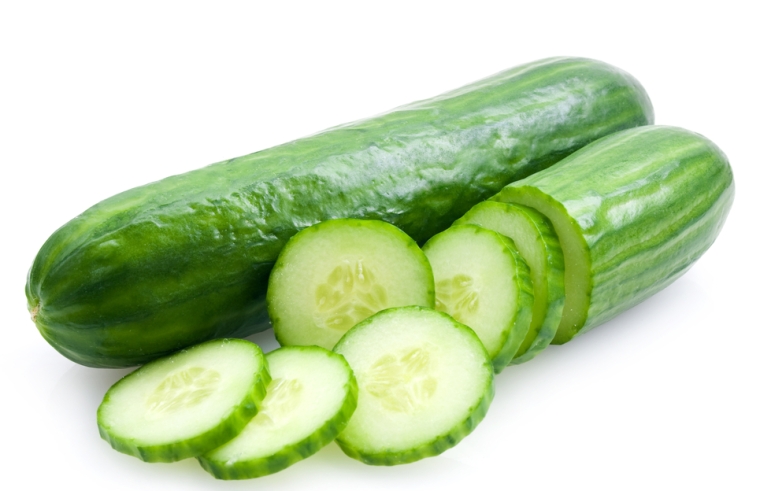
What types of vitamins are in cucumber?

Cucumbers belong to a plant family Cucurbitaceae which is a plant family commonly known as melons, gourds or cucurbits and includes crops like cucumbers, squashes (including) pumpkin, luffas, melons and watermelons.

The skin contains vitamin A mostly in the skin, which is usually peeled in fresh cucumbers. Vitamin A serves as one of the many antioxidants. It protects human body from free radicals which helps lower the risk of various illnesses due to damaged cells and cancer.
 
Other key vitamins in cucumbers include vitamin C, vitamin B6, vitamin K, vitamin E, vitamin B1 (thiamine), vitamin B2 (riboflavin), vitamin B3 (niacin), panthotenic aicd (B5) and small amount of folate.

Multiple B vitamin in cucumber, vitamin B1, vitamin B5 and vitamin B7 are well known to help relieve anxiety feelings and also buffer some of the damaging effects of stress.

The high amount of fluid content, vitamin C and also caffeic acid and other antioxidants in cucumber makes it an important ingredient in many beauty creams for treating eczema, psoriasis, acne, sunburn etc.
What types of vitamins are in cucumber?

Wednesday, April 25, 2018

Fruit juice with vitamin C

Vitamin C is one of the most important vitamins in plant foods not only for its nutritional role in human diet but also for its high antioxidant capacity. Most fruits and vegetables contain very high proportions of water which makes them easy to squeeze or pulverize into a juice.

Depending on the fruit or vegetable from which it is made, the juice may provide some vitamin A and/or C. The vitamin C of fruits increases until just before ripening and then declares, due to the action of an enzyme, ascorbic acid oxidase.

When fruits are cooked, much of the ascorbic acid transfers from the tissue into the liquid and may be oxidised, oxidation occurring more easily in iron, copper or badly tinned vessels.

Vitamin C prevents the deficiency disease scurvy, and is particularly abundant in citrus fruits such as oranges, lemons and limes. Orange juice is the principal source of vitamin C daily intake in developed countries.

Fruit juices come to market in cans, bottles and cartons. They arrive fresh, as frozen concentrates, or in powdered forms that often contain added sugar.
Fruit juice with vitamin C

Wednesday, January 3, 2018

Vitamin C in lime juice

Natural juice obtained from the whole fruit of Citrus aurantifolia, Limes have very little sugar, no fat, and only a trace of protein but they are high in vitamin C.

Analyses of sour lime juice have given values ranging from 23 to 49 mg ascorbic acid per 1oo gm, with an average of approximately 3o mg. Lime juice is found to have about two-thirds the vitamin C value of lemon juice.

Lime juice with honey or salt in the morning on an empty stomach is good since it helps to maintain the alkalinity of blood an also purifies it. It is ideal for people suffering from arthritis, because the vitamin C in lime juice strengthens connective tissues of the joints.

It also improves the vitality and hence is very useful in treating causes of cold, running nose, cough and other acute conditions.

Vitamin C can help to fight skin mage cause by the sun and pollution, reduce wrinkles and improve overall skin texture.
Vitamin C in lime juice

Wednesday, November 1, 2017

Ascorbic acid molecule

Ascorbic acid also known as vitamin C is an important water-soluble vitamin essential for human life. Vitamin C or L-ascorbic acid is chemically defined as 2-oxo-L-theo-hexono-4-lactone-2,3-enediol.

It is a near planar five member ring with two chiral centers that resolves onto the four stereoisomers.

Ascorbic acid
It has a molecular mass of 176.12 g/mol, a density of 1.65 g/cm3, a very soluble in water (more than 30 g per 1 ml), and variably soluble in most-short-chain alcohols and glycols (1-5 g per 100 ml). Ascorbic acid can be reversely oxidized to semidehydro-L-ascorbic acid and further to dehyroascorbic acid.

Ascorbic acid is photosensitive and unstable in aqueous solution at room temperature. During storage of foods, vitamin C is inactivated by oxygen.
Ascorbic acid molecule

Vitamin C content in camu-camu berry

The exotic camu-camu is grown in the nutrient-rich rain forests soil of Peru and other hot and damp tropical climates. The plant bears cherry-sized berries that are highly acidic, very tart, and are often sweetened to please human palette.

In the north-east region of Peru, people sometimes eat the fairly acidic camu-camu fruits fresh, but traditionally they have used them to make refreshments and liquors.
Camu-camu fruits have a higher vitamin C content, which is of particular use in treating a wide range of ailments, and they also possess important metabolites for nutrition and health. Vitamin C helps with immunity, tissue repair and healing as well as with cancer and cataract prevention.

In case anybody injured or have had a surgery , taking large quantities of vitamin C can help speed up the healing process.

The camu-camu berry is one of the world’s most potent sources of vitamin C – packing more than 60 times the amount preserving than the almighty orange.

Oranges often have around 1,000 ppm of vitamin C, while the camu-camu berry can have concentration as high as 50,000 ppm or about 2 grams of vitamin C per 100 grams of fruit.
Vitamin C content in camu-camu berry

Sunday, July 16, 2017

The best foods with Vitamin C

Vitamin C or ascorbic acid has been described as the major waters-soluble antioxidant in human serum and has several other essential functions in the body. The recommended Dietary Allowance for adults is 60 mg/day. Humans cannot produce vitamin C in their own bodies and must obtain it from food sources.

In the United States, the foods that are the highest contributors of vitamin C are orange juice, grapefruit, tomatoes and tomato juices and potatoes.
Other good sources of vitamin C are vegetables such as broccoli, cabbage and other green leafy vegetables, pepper, mangoes, papaya and strawberry. Some types of meat products, such as brains, liver and kidneys were found to retain vitamin C.

For practical reason, citrus and other fruits are good daily sources of vitamin C, as they are generally eaten raw and are therefore not subjected to cooking procedures that can destroy vitamin C.

In addition to naturally occurring sources of vitamin C, fortified foods and vitamin supplements provide important sources of this vitamin for Americans.
The best foods with Vitamin C

Saturday, March 25, 2017

Vitamin C in fruits

As vitamin C is a simple sugar, it is dissolves readily in water. It is found in fruit.

Children up to the age of 12 require 20 mg of vitamin C per day and older children and adult 30 mg. Since fruit are usually eaten raw, they provide large amounts of vitamin C and are therefore a more reliable and convenient way of obtaining daily requirement of this important vitamin.
Higher fruit consumption and plasma vitamin C concentrations were inversely related to risk of ischemic heart disease, angina pectoris, acute myocardial infarction, stroke, diabetic complications, blood pressure in hypertensive patients and overall mortality.

Diets with at least 200 mg of vitamin C from fruits were associated with lower risk of cancers, especially those of the oral cavity, esophagus, stock, colon and lung.
The contribution of any fruit to the vitamin C content of the diet varies depending on the climate, the conditions of the soil, seasonal variations, the degree of maturity, the freshness of the food and the part of it which is eaten.

The skin of apples for instances, contains more vitamin C than the pulp.
Vitamin C in fruits

Tuesday, February 21, 2017

Ascorbic acid as food additive in food processing

Ascorbic acid (vitamin C) is a widely used food additive with many functional roles, many of which are based upon its oxidation –reduction properties.

It is the naturally occurring L-ascorbic acid. It is freely soluble in water and sparingly soluble in ethanol.

Its functional roles include its uses as a nutritional food additive, antioxidant, browning inhibitor, reducing agent, flavor stabilizer, modifier and enhancer, color stabilizer, dough modifier and many other capacities.
Vitamin C structure
Ascorbic acid is used as an antimicrobial and antioxidant in foods. It is preferentially oxidized in place of other substrates and complements very well as a synergist to other antioxidants, such as BHA and BHT in polyphase food systems.

Ascorbic and its sodium and calcium salts are used as nutritive additives. Whenever there is a need to preserve the vitamin content in fortified foods, the D isomer of ascorbic acid, isoascorbate or eyrthrobate, is incorporated with ascorbic acid.

Ascorbic acid is very widely used in bread making, where it is present as a ‘flour improver’. In practice, this means that the addition of ascorbic acid improves the bread texture and the size of the resulting loaf, the dough has greater elasticity, increased gas retention, and improved water absorption.
Ascorbic acid as food additive in food processing

Wednesday, September 21, 2016

Vitamin C supplement benefits

Studies have shown that vitamin C may offer benefits against heart disease, cancer and cataracts.

Vitamin C is an essential component of the diet for humans, and adequate intake is important. Daily recommendations vary and it is recommended that the user stick to the supplier’s dosage. People who consumed the recommended amounts of daily fruits and vegetables need no supplementation, because they obtain their daily vitamin C requirements through their diet alone.

In epidemiological studies and is some large-scale interventional studies, vitamin C was consumed in combinations with other food sup0lpoments such as vitamins and antioxidants, and was partially obtained from foods.

High intake of a vitamin C supplement, above 500 milligrams per day, is not recommended. The body absorbs little vitamin C beyond the first 200 milligrams per serving or dose. However, the majority of smokers would benefit greatly from a high-quality natural vitamin C supplement because it repairs connective tissue and is also an excellent anti-stress nutrient as well as a powerful antioxidant.

The vitamin C content of food varies widely however, and plasma levels generally reflect the amount consumed, regardless of its origin.

Make sure the vitamin C supplement purchase contains bioflavonoids. In nature vitamin C always has bioflavonoids, sometimes referred to as vitamin P.
Vitamin C supplement benefits

Most Popular Articles

Articles around the world

  • Flavonoids, characterized by the flavan nucleus, form a widely distributed category of naturally occurring polyphenolic compounds found abundantly in vario...
  • Flavor is far more complex than a single taste on the tongue. It is the result of a close interaction between *taste*, detected by the taste buds, and *a...
  • Tea first arrived in the United States in the 1600s, brought by European settlers who introduced the beverage to the American colonies. By the 18th century...

Feed from World of Nutrition

RSS Food Diet