Showing posts with label vitamins. Show all posts

Thursday, April 18, 2024

Understanding Vitamins and Their Importance

Vitamins are vital for human growth, maintenance, and overall health. The following list encompasses essential vitamins:
  1. Vitamin B1 (Thiamine)
  2. Vitamin B2 (Riboflavin)
  3. Vitamin B3 (Niacin)
  4. Vitamin B5 (Pantothenic Acid)
  5. Vitamin B6 (Pyridoxine)
  6. Vitamin B12 (Cobalamin)
  7. Biotin
  8. Choline
  9. Inositol
  10. Lipoic Acid
  11. PABA (p-Aminobenzoic Acid)
  12. Vitamin C (Ascorbic Acid)
  13. Vitamin A
  14. Vitamin D
  15. Vitamin E
  16. Vitamin K
By definition, vitamins are complex organic substances required in very small quantities in the diet compared to other nutrients, including trace elements. They are essential because our bodies cannot produce them in sufficient quantities to meet our needs under normal circumstances.

While some vitamin-like substances are not considered essential because our bodies typically produce them adequately or they're part of other nutrients, it's crucial to ensure a balanced intake of all essential vitamins through a varied diet or supplements. Recent research continues to uncover the roles and benefits of vitamins in supporting various bodily functions and preventing deficiencies, emphasizing the importance of understanding and incorporating them into our daily lives for optimal health and well-being.
Understanding Vitamins and Their Importance

Sunday, January 28, 2024

Wheat: Nutrient-Rich and Versatile

Whole wheat foods stand out as rich reservoirs of essential vitamins, encompassing the likes of vitamin A, vitamin C, B-vitamins, and folate. A notable advantage of wheat is its global availability, making it a versatile and easily integrated component of daily dietary routines across the world.

Delving into the intricate layers of the wheat grain unveils a wealth of nutritional treasures. The outer layer, known as bran, is not only a robust source of fiber but also delivers a substantial dose of B vitamins, minerals, and an array of nutrients vital for overall health. Moving inward, the germ, situated at the seed's core where growth is initiated, emerges as a hub of nourishment, generously providing vitamin E and various B vitamins. In contrast, the innermost layer, the endosperm, encompasses proteins, carbohydrates, iron, and B-vitamins such as riboflavin and niacin, contributing to the nutritional profile of whole wheat.

An intriguing aspect of whole wheat nutrition lies in the antioxidant properties of vitamins A (in beta-carotene form), C, and E. These antioxidants play a critical role in neutralizing the potential harm inflicted by free radicals. Unchecked free radicals may heighten the susceptibility of cells to carcinogenic substances, underscoring the importance of these vitamins in maintaining cellular health.

Beyond mere sustenance, whole wheat plays a proactive role in physical well-being. The combination of wheat protein and vitamins B and E facilitates the development and repair of muscle tissues. Notably, wheat germs, though often eliminated during purification processes, harbor significant amounts of vitamin E, a nutrient whose deficiency could potentially contribute to cardiovascular issues, including heart disease.

The spectrum of B vitamins in wheat, ranging from thiamine and riboflavin to pyridoxine and niacin, is of particular importance due to their water-soluble nature. These molecules play a crucial role in metabolic processes, especially in the breakdown and utilization of carbohydrates, proteins, and fats.

For those seeking to augment their folate intake, incorporating a quarter-cup of wheat germ into their diet proves advantageous. This small addition boosts folate levels by a substantial 81 micrograms, representing 20 percent of the recommended daily intake. In essence, the nutritional richness of whole wheat extends far beyond its widespread availability, making it a cornerstone for a well-rounded and health-conscious diet.
Wheat: Nutrient-Rich and Versatile

Thursday, March 11, 2021

Vitamins in beer

Beer is fermented alcoholic carbonated beverage, prepared using malted barley, water, hops and yeast as major raw materials. Beer is the most commonly consumed alcoholic drink in the world, as well as the third most commonly consumed drink by humans, right after water and tea.

Barley and malt are rich in vitamins and are localized in the living tissues of the embryo and of the aleurone layer. They are involved in building enzymes as part of a prosthetic group.

Beer contains several essential vitamins & amino acids produced by yeast during the fermentation process and some are present natively from cereal grains and hops, beer majorly contain water soluble B group vitamins like niacin, choline, riboflavin, pantothenic acid, vitamin B6, B12 and foliates.

Most of them are present in small amounts; however, folate and choline content are relatively significant. In particular, 2 cans of 330 mL of a regular beer contain approximately 40 mg of folate and 70 mg of choline that cover almost 10% of the RDA of these vitamins.

The amounts of a number of nutrients are depending on the type of malt, hops and brewing and finishing process.
Vitamins in beer

Wednesday, October 10, 2018

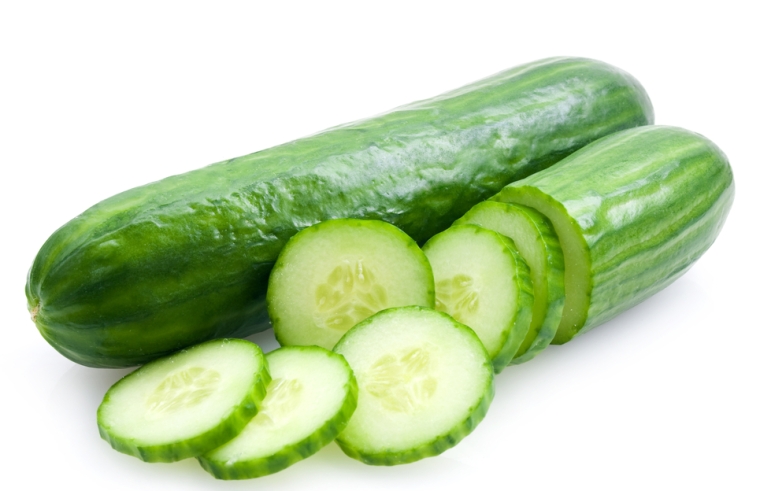
What types of vitamins are in cucumber?

Cucumbers belong to a plant family Cucurbitaceae which is a plant family commonly known as melons, gourds or cucurbits and includes crops like cucumbers, squashes (including) pumpkin, luffas, melons and watermelons.

The skin contains vitamin A mostly in the skin, which is usually peeled in fresh cucumbers. Vitamin A serves as one of the many antioxidants. It protects human body from free radicals which helps lower the risk of various illnesses due to damaged cells and cancer.
 
Other key vitamins in cucumbers include vitamin C, vitamin B6, vitamin K, vitamin E, vitamin B1 (thiamine), vitamin B2 (riboflavin), vitamin B3 (niacin), panthotenic aicd (B5) and small amount of folate.

Multiple B vitamin in cucumber, vitamin B1, vitamin B5 and vitamin B7 are well known to help relieve anxiety feelings and also buffer some of the damaging effects of stress.

The high amount of fluid content, vitamin C and also caffeic acid and other antioxidants in cucumber makes it an important ingredient in many beauty creams for treating eczema, psoriasis, acne, sunburn etc.
What types of vitamins are in cucumber?

Monday, October 7, 2013

Fat soluble vitamins

Solubility characteristics divide the vitamins into two major classes: the water-soluble vitamins and the fat-soluble vitamins.

There are nine water-soluble vitamins and four fat-soluble vitamins. The fat soluble vitamins A, D, E and K are chemically similar and found in fats and oils of food.

Fat soluble vitamins in general carried in the blood by protein carriers, are stored in fat tissues, are needed in periodic doses and are more likely to be toxic when consumed in excess of need.

These vitamins are absorbed like dietary fat – with the assistance of bile acids. Once absorbed, the fat soluble vitamins enter the lymphatic system before circulating in the blood.

They are transported through the blood by lipoprotein because they are not soluble in water.

Excess fat soluble vitamins are stored in the liver and adipose tissue and remain there until needed. Fat soluble vitamins play diverse roles in the body.

Vitamins A and D may act somewhat like hormones, directing cells to convert one substance to another, to store this or to release that.

Other functions of vitamin A including maintenance of vision in dim light, maintenance of mucous membranes and healthy skin and involve in growth and development of bones.

Vitamin E flows throughout the body, preventing oxidative destruction of tissues. Vitamin E is considered essential for protection of cell structure, especially of red blood cells. Vitamin K is necessary for blood to clot.
Fat soluble vitamins

Wednesday, November 17, 2010

The importance of vitamins

The importance of vitamins
Until the beginning of twentieth century, it was thought that a diet containing proteins, carbohydrates, fats, minerals and water was adequate to maintain life. But research conducted in the early part of that century proved that some vital factor was missing from the diet.

This vital factor was given the name vitamin. Later it was found that there were more than one factor involved.

Now we know that vitamins are one of the six classes of nutrients supplied by food. They are required for normal growth and maintenance of all animal life.

Vitamins are important for their regulatory and protective functions. Unlike most other nutrients, they are required in very small amounts. But it is necessary to provide these in the diet because many of them cannot be manufactured by the body.

The lack of vitamins results in definite deficiency disorders which are specific of each particular vitamin.

These are essential for the maintenance of good health as they catalyses various body processes, which help to utilize all the nutrients supplied and regulate a number of functions in the body.

Vitamins are conveniently classified into two groups on the basis of their solubility (in fat or in water) into fat soluble and water soluble vitamins. Fat soluble vitamins include A, D, E and K, and water soluble vitamins include the B-group and vitamin C, Foods differ greatly in the amount and kinds of the vitamins they supply.
The importance of vitamins

Friday, August 28, 2009

Casimir Funk: the Father of Vitamins

Casimir Funk: the Father of Vitamins
Vitamins are s much a part of modern life you may have a hard time believing they are first discovered less than a century ago.

Of course, people have long known that certain food contain something special.

For example, the ancient Greek physician Hippocrates prescribed liver for night-blindness (the inability to see well in dim light).

By the end of the 18th century (1795), British Navy ships carried a mandatory supply of limes or lime juices to prevent scurvy among the men, thus earning the Brits once and forever nickname limeys.

Later on, the Japanese Navy gave its sailors whole grain barley to ward off beriberi.

Everyone knew these prescriptions worked, but nobody knew why – until 1912, when Casimir Funk (1884 – 1967), a Polish biochemist working first in England and then in the United States, identified “something” in food that he called vitamins (vita – life; amines – nitrogen compounds).

The following year, Funk and a fellow biochemist, Briton Frederick Hopkins, suggested that some medical conditions such as scurvy and beriberi simply deficiency diseases caused by absence of a specific nutrient in the body.

Adding a food with the missing nutrition to one’s diet would prevent or cure the deficiency disease.
Casimir Funk: the Father of Vitamins

Saturday, October 4, 2008

Fat Soluble and Water Soluble Vitamins

Fat Soluble and Water Soluble Vitamins
Vitamins can be defined as essential organic micronutrients that are involved in fundamental functions of the body, such as growth, maintenance of health and metabolism. Because of these substances must be supplied wholly or partially by the diet. Although the clinician should be able to recognize the syndrome caused by a lack of the vitamin in the case of a deficiency, it is more relevant in this country of abundant and varied food supply for the nutrition professional to think in terms of what a specific vitamin does rather than what disease it [prevents. Unfortunately, at the present time it is often impossible to relate directly the function of the vitamin to its deficiency syndrome.

Vitamins for the most part are not related chemically and differ in their physiologic roles. The broad classifications of water soluble vitamins and fat soluble vitamins are made because of certain properties common to each group. For instance, absorption and transport of fat soluble vitamins are closely associated with the absorption and transport of lipids; optimal absorption requires the presence of bile slats, these vitamins can also be stored in body lipids, although the amounts stored varies widely among the four fat soluble vitamins.

The water soluble vitamins are handled quite differently by the body. Their absorption requires no formation of micelles and with the exception of cyanocobalamin (vitamin B12), they cannot be retained by the body for long periods. Any storage occurring, results from their binding to enzymes and transport proteins. Water soluble vitamins are excreted in the urine wherever plasma levels exceed renal thresholds.
Fat Soluble and Water Soluble Vitamins

Sunday, June 29, 2008

Vitamins as antioxidants in processed foods

Vitamins as antioxidants in processed foods
Oxidation, a series of chemical reactions yielding undesirable and products (off odors, colors, and flavors), may occur in many fruits and vegetables and foods high in fat and oil during exposure to air, light, heat, heavy metals, certain pigments or alkaline conditions. Enzymatic browning may occur in some fruits and vegetables, particularly apples, banana, peaches, pear, and potatoes, which contain phenolase enzymes. When these fruits and vegetables are cut or sliced and exposed to air, the phenolases catalyze oxidation of phenolics compounds to ortho-quinone compounds, which then polymerize, forming brown pigments.

Oxidation in lipids (autoxidation) and in fat and oil containing foods, on the other hand, occurs as a result of the susceptibility of fatty acids (building blocks of fats and oils) to oxidations and subsequent formation of reactive compounds referred to as “free radicals”.

The free radicals promote the development of a series of chemical reactions which lead to the production of off-flavors, colors, odors, and rancidity. While both saturated and unsaturated fatty acids are susceptible to oxidation, unsaturated fatty acids are significantly more susceptible than their saturated counterparts at room temperatures and at elevated temperatures.

Antioxidants, as defined by Food and Drug Administration are “substances used to preserve food by retarding deterioration, rancidity or discoloration due to oxidation.” Some oxidations have more than one function. For example, Ascorbic acids may function as a free-radical chain terminator, and oxygen scavenger, or a metal chelator. Under certain conditions, it may act as a promoter for oxidation.
Vitamins as antioxidants in processed foods

Most Popular Articles

Articles around the world

  • Thermization is a mild heat treatment used in the dairy industry to improve the quality and storage life of raw milk before further processing. Unlike pa...
  • Flavor is far more complex than a single taste on the tongue. It is the result of a close interaction between *taste*, detected by the taste buds, and *a...
  • Tea first arrived in the United States in the 1600s, brought by European settlers who introduced the beverage to the American colonies. By the 18th century...

Feed from World of Nutrition

RSS Food Diet