Showing posts with label vitamin A. Show all posts

Saturday, September 21, 2024

Health Benefits and Risks of Palm Oil: A Nutrient-Rich Source of Vitamin E and Beta-Carotene

Palm oil, derived from the fruit of the oil palm tree, is a rich source of essential nutrients, particularly vitamin E and beta-carotene, which offer significant health benefits. Vitamin E in palm oil comes in two forms: tocopherols and tocotrienols. Both are potent antioxidants, which means they help neutralize free radicals—unstable molecules that can cause oxidative stress in the body. Prolonged oxidative stress has been linked to the development of chronic diseases such as cancer, cardiovascular disease, and neurodegenerative disorders like Alzheimer's. The antioxidant properties of tocopherols and tocotrienols play a crucial role in protecting cells from this damage, making palm oil an important dietary component for disease prevention.

Red palm oil, the unrefined version of palm oil, is particularly rich in these antioxidants. Just 10ml of red palm oil can provide approximately 20% of the recommended daily intake of vitamin E, which contributes to several critical functions. This includes maintaining healthy skin by protecting it from harmful environmental factors such as UV radiation. Vitamin E also supports a healthy immune system by aiding in the production of immune cells that fight off infections, and it is believed to slow the progression of age-related macular degeneration, a common cause of vision loss in older adults.

In addition to vitamin E, palm oil contains a significant amount of beta-carotene, which the body converts into vitamin A. Vitamin A is essential for maintaining healthy vision, supporting the immune system, and promoting skin health. In developing countries, where vitamin A deficiency is a common issue leading to conditions like blindness and increased susceptibility to infections, red palm oil is used as a dietary supplement to address these deficiencies. Its high beta-carotene content makes it a powerful tool in combating malnutrition.

However, despite these benefits, palm oil is high in saturated fats, which, when consumed in excess, can elevate cholesterol levels and increase the risk of heart disease. Therefore, while its nutritional content is beneficial, it is essential to consume palm oil in moderation to avoid potential health risks associated with high fat intake.
Health Benefits and Risks of Palm Oil: A Nutrient-Rich Source of Vitamin E and Beta-Carotene

Thursday, March 14, 2024

Vitamin A Deficiency: A Global Health Concern

Vitamin A deficiency may seem like a distant concern in developed nations like the United States, but it remains a pervasive issue in many parts of the world, particularly in developing countries. Despite being preventable and treatable, it affects over 120 million children worldwide, making it a significant public health problem with far-reaching consequences.

One of the most alarming outcomes of vitamin A deficiency is childhood blindness, a leading cause of preventable blindness in the developing world. In regions where immunization programs are lacking and malnutrition is prevalent, millions of children succumb to complications of infectious diseases like measles, exacerbated by their weakened immune systems due to insufficient vitamin A.

The historical understanding of vitamin A deficiency dates back to ancient Egypt, where it was observed that night blindness could be cured by consuming liver—an organ later identified as a rich source of vitamin A. This crucial nutrient plays a vital role in maintaining eye health by preventing dryness and damage to the cornea and retina, thereby averting conditions like xerophthalmia.

Beyond its impact on vision, vitamin A deficiency manifests in various ways, including dry skin, brittle hair, and weakened nails. Moreover, it compromises the body's ability to fend off infections, contributing to respiratory and diarrheal illnesses, which can be particularly fatal in vulnerable populations such as young children.

While severe cases of vitamin A deficiency are recognizable by overt symptoms, there's growing concern about its subclinical forms—where levels of the vitamin are depleted but symptoms aren't immediately apparent. This subtle deficiency can heighten the risk of respiratory and diarrheal infections in children, impede their growth and bone development, and even decrease their chances of surviving serious illnesses.

In the United States, certain groups of children are deemed particularly vulnerable to subclinical vitamin A deficiency. Toddlers and preschoolers, especially those from low-income families with inadequate access to healthcare and nutrition, are at heightened risk. Additionally, recent immigrants or refugees from regions where vitamin A deficiency and measles are prevalent face increased susceptibility. Furthermore, children with pancreatic, liver, or intestinal disorders, as well as those with impaired fat digestion or absorption, are more likely to develop deficiencies despite living in a developed nation.

In conclusion, while vitamin A deficiency may not be a pressing concern in affluent societies, its devastating effects persist in many parts of the world, especially among children. Addressing this issue requires concerted efforts at both local and global levels, including targeted interventions, nutritional education, and improved access to essential healthcare services. By prioritizing the prevention and treatment of vitamin A deficiency, we can safeguard the health and well-being of millions of children worldwide.
Vitamin A Deficiency: A Global Health Concern

Saturday, March 2, 2024

Vitamin A Food Sources

Vitamin A is a crucial nutrient for various bodily functions, and its sources extend beyond just whole eggs, whole milk, and liver. While these foods contain natural forms of vitamin A, it's worth noting that vitamin A is predominantly found in the fat portion of whole milk. Thus, fat-free milk lacks this essential nutrient, but most fat-free milk products in the US are fortified with vitamin A to compensate for this deficiency. Additionally, dried nonfat milk solids are often enriched with vitamin A to ensure adequate intake.

Beyond dairy and liver, numerous fortified foods contribute to vitamin A intake, such as breakfast cereals. These fortified options serve as convenient and accessible sources of the nutrient, aiding individuals in meeting their daily requirements. Importantly, regular consumption of vitamin A-rich foods or those containing beta-carotene, a precursor to vitamin A, is essential for maintaining optimal health. While the body can store vitamin A in the liver, consistent intake is necessary to replenish stores and ensure sufficient levels during periods of low dietary intake. Thus, incorporating a variety of vitamin A sources into one's diet is paramount for overall well-being.
Vitamin A Food Sources

Tuesday, August 30, 2022

Xerophthalmia – Causes and symptoms

Xerophthalmia is a progressive eye disease caused by vitamin A deficiency. Lack of vitamin A can dry out the tear ducts and eyes. If it goes untreated, it can progress into night blindness or spots on the eyes. It can even damage the cornea of the eye and cause blindness. Vitamin A serves several essential functions in the eye, and deficiency can lead to a constellation of ocular signs and symptoms that affect the conjunctiva, cornea, and retina.

This disease is rare in the U.S. It’s more commonly seen in developing countries, where people are more likely to have nutrient deficiencies. Vitamin A deficiency remains a public health concern in more than half of all countries, mostly affecting young children in impoverished regions.

Children 3 to 6 years of age are at a higher risk of developing night blindness due to xerophthalmia. It affects around a third of the pediatric population worldwide and causes blindness in 250,000–500,000 children in developing countries each year.

Xerophthalmia is caused by a lack of vitamin A. Human body doesn’t produce vitamin A on its own. Instead, human body have to get vitamin A from the foods they eat. Lack of vitamin A in the diet may be caused by malnutrition, malabsorption, chronic alcoholism or by highly selective dieting.

Vitamin A is a fat-soluble vitamin that humans derive primarily from diet. It has several essential functions in the body, including cell development, metabolism, immune function, vision, and reproductive function.

Vitamin A is essential for vision because it’s an element of the protein that absorbs light in the receptors in retina. Vitamin A deficiency causes metaplasia and keratinization of mucus-secreting epithelium, which can cause conjunctival and corneal xerosis, corneal ulcers, keratomalacia, and corneal scarring.

The typical symptoms of xerophthalmia include:‌
*Thin lining of eyelid and eyeball, called the conjunctiva, dries out, thickens, and begins to wrinkle
*Night blindness, an eye disease in which patient can’t see in dim light
*Ulcers or scars on cornea
*Bitot’s spots, or white spots on conjunctiva
*Softening of cornea

The most common animal sources for vitamin A are cod liver oil, liver, butter, cheese, eggs, and fish, whereas the most common vegetable sources include sweet potato, carrot, broccoli, sweet red pepper, spinach, and lettuce.
Xerophthalmia – Causes and symptoms

Sunday, January 24, 2021

Properties and functions of vitamin A

Vitamin A is an essential micronutrient for humans, meaning that it cannot be biosynthesized in the body and thus must be obtained from dietary sources.

The vitamin exists in three major forms: retinal (the aldehyde isoform), retinol (the alcohol isoform), and retinoic acid (RA), which is the irreversibly oxidized form of retinol.

Retinol empirical formula: C20H30O with molecular weight of 286.45

Retinol is soluble in fats and oils and practically insoluble in water and glycerol. Vitamin A esters are readily soluble in fats, oils, ether, acetone and chloroform. They are soluble in alcohol but insoluble in water.

Dietary vitamin A is absorbed in the small intestine in the form of retinol and transported in blood attached to retinol-binding protein (RBP). Inside the cells, retinol is oxidized into its main biologically active derivatives, first retinaldehyde (retinal), which plays a role in vision, and then retinoic acid (RA), which regulates the expression of multiple target genes.

Among other functions of vitamin A:
* Vitamin A appears to facilitate the mobilization of iron from storage sites to the developing red blood cell for incorporation into hemoglobin, the oxygen carrier in red blood cells.

*Together with the protein opsin, the 11-cis isomer of retinol forms the light -sensitive visual pigment rhodopsin located in the rod of the retina. Rod cells with rhodopsin can detect very small amounts of light, making them important for night vision.

*Animal studies shown that vitamin A is required for normal growth and development. Retinol and retinoic acid (RA) are essential for embryonic development. During fetal development, RA functions in limb development and formation of the heart, eyes, and ears.

*Another major function of vitamin A is its role in cell differentiation.

*Vitamin A often called the antireflective vitamin, is protection against infections. The skin and mucosal cells (cells that line the airways, digestive tract, and urinary tract) function as a barrier and form the body's first line of defense against infection. Retinol and its metabolites are required to maintain the integrity and function of these cells.
Properties and functions of vitamin A


Monday, January 4, 2021

Mango fruit: Rich source of Vitamin A and pro-Vitamin A

Vitamin A is an essential nutrient that is obtained by a dietary intake of preformed vitamin A (retinol and its esterified form, retinyl ester) or of provitamin A carotenoids. The vitamin A content of the fresh fruits was determined by the extraction and quantitative determination of the pro-vitamin A carotenoid- β-carotene.

Mango is considered a rich source of carotenoids. Carotenoids have antioxidants, anti-carcinogenic and anti-mutagenic properties, giving protection against various diseases such as different types of tumors, cardio vascular diseases as well as age related illnesses.

Vitamin-A is required for maintaining healthy mucosa and skin. Consumption of natural fruits rich in carotenes is known to protect from lung and oral cavity cancers.

Vitamin A is needed in the retina of the eye in the form of a specific metabolite, the light absorbing retinal, that is absolutely necessary for both low light (scotopic vision) and colour vision.

Carotenoids are vital in their role as precursors of important vitamins such as vitamin A. They also play extremely vital role as immune system booster aiding the body’s ability to combat diseases and infections. Most studies have shown that β-carotene is both the principal provitamin A carotenoid and the main pigment in mango.

Carotenoids are isoprenoid compounds, biosynthesized by tail-to-tail linkage of two C20 molecules, which produces the parent C40 carbon skeleton from which all the variations are derived.

Carotenoids such as β-carotene, α-carotene and β-cryptoxanthin, which have at least one unsubstituted β-ring, are vitamin A precursors that play an important role in human health.

Serving Size: 1 cup, sliced (165g) of mango provides 35% of the Daily Value (DV) for vitamin A.
Mango fruit: Rich source of Vitamin A and pro-Vitamin A

Friday, November 13, 2020

Vitamin A rich fruit: Banana

Bananas are considered as a rich source of vitamin A, vitamin B complex, vitamin C, manganese, potassium and digestible food fibers are present in the fruits in sizeable levels.

In ripe banana the major carotenoids are lutein, α-carotene, and β-carotene. A deep yellow or orange color associated with carotenoids. β-carotene is the provitamin A carotenoid contributing the most to vitamin A status.

Banana peels are a rich source of bioactive compounds, such as carotenoids (β-carotene).

Consumption of the fruit itself or products derived from the cultivars could provide substantial contributions to the vitamin A intake of vulnerable population groups, such as children 6–59 months and women of reproductive age.

Vitamin A aids in healthy teeth, bones, soft tissue, and mucus membrane. It is also known as retinol because it produces the pigments in the retina of the eye. Vitamin A promotes good eyesight, especially in low light. It also has a role in healthy pregnancy and breastfeeding.
Vitamin A rich fruit: Banana

Sunday, November 17, 2019

Elmer McCollum - Discovering Vitamin A, Vitamin B and Vitamin D

Elmer Verner McCollum (March 3, 1879 – November 15, 1967) was born and raised in Kansas and attended the University of Kansas. His studies were initially directed toward medicine, but he eventually decided that chemistry better captured his interests, and he completed his work for a Masters degree in chemistry at Kansas. He was accepted into the Ph.D. program at the Sheffield Scientific School at Yale.

Contrary to the dogma that all fats had similar nutritional value, in 1913, Elmer McCollum and his associate Marguerite Davis at Wisconsin showed butter and egg yolk were not equivalent to lard and olive oil in supporting the growth and survival of rats. The growth-supporting ‘accessory factor’ became known as ‘fat-soluble A’ in 1918 and then ‘vitamin A’ in 1920.

“Fat-soluble A” was first believed to be a single vitamin capable of curing xerophthalmia and rickets. Cod-liver oil was first used as a therapeutic agent in the 1770s. McCollum showed that cod-liver oil aerated at the temperature of boiling water for 12 to 20 hr retained its antirachitic activity in rats, but was ineffective against xerophthalmia. In addition, these properties were unequally distributed in certain foods. Apparently, two separate factors were involved. The factor effective against rickets later was named vitamin D.

The discovery of vitamin A by McCollum and Davis in 1913 ushered in the era of accessory food substances culminating in the achievement of that goal. It included the discovery of vitamin D and its production in skin caused by ultraviolet light. This was followed by a description of its actions at the physiological level that resulted in a healthy skeleton and beyond.

In 1915 McCollum and Davis had found that when water oralcohol extractions of wheat germ or rice polishing were added, polished rice was greatly improved in nutritional quality. These experiments constituted the basis for their discovery that the anti-beriberi factor, necessary to relieve polyneuritis in pigeons, was necessary for rats and that there were apparently only two unidentified nutrients necessary for such animals.

They proposed the term fat-soluble A and water-soluble B, respectively, to designate the two unidentified nutrients. The isolation of B1was achieved in 1926 by Dutch scientists in Java using small “rice birds” fed on washed white rice supplemented with cod liver oil for their assays.
Elmer McCollum - Discovering Vitamin A, Vitamin B and Vitamin D

Wednesday, May 29, 2019

Drying process affects vitamin in food

The vitamin content of a food is, in general, reduced by drying. This is especially true for those vitamins (e.g. vitamin A and ascorbic acid) that are easily destroyed by heat in the presence of air, through oxidation.

The drying temperature has been shown to have no influence on vitamins B1, B2, B6 and niacin, whereas vitamin A losses increase with increasing drying temperatures. β-carotene which may be applied as the source of the vitamin A is shown to be far more stable than the straight vitamin.

Drying methods affect vitamin C content as well. It can be stated that the higher the drying temperature and air velocity, the greater the degradation of vitamin C durign drying.

However the application of a drying process with low temperatures for a short period of time can result in relatively high ascorbic acid retention, avoiding its sensitivity to heating processes. The sulfuring of fruit previous to drying also aids in reducing the amount of ascorbic acid destroyed during drying.
Drying process affects vitamin in food

Wednesday, October 10, 2018

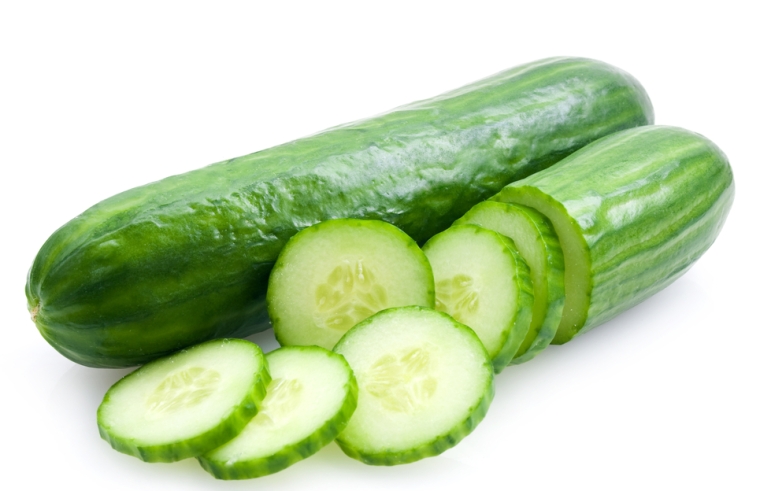
What types of vitamins are in cucumber?

Cucumbers belong to a plant family Cucurbitaceae which is a plant family commonly known as melons, gourds or cucurbits and includes crops like cucumbers, squashes (including) pumpkin, luffas, melons and watermelons.

The skin contains vitamin A mostly in the skin, which is usually peeled in fresh cucumbers. Vitamin A serves as one of the many antioxidants. It protects human body from free radicals which helps lower the risk of various illnesses due to damaged cells and cancer.
 
Other key vitamins in cucumbers include vitamin C, vitamin B6, vitamin K, vitamin E, vitamin B1 (thiamine), vitamin B2 (riboflavin), vitamin B3 (niacin), panthotenic aicd (B5) and small amount of folate.

Multiple B vitamin in cucumber, vitamin B1, vitamin B5 and vitamin B7 are well known to help relieve anxiety feelings and also buffer some of the damaging effects of stress.

The high amount of fluid content, vitamin C and also caffeic acid and other antioxidants in cucumber makes it an important ingredient in many beauty creams for treating eczema, psoriasis, acne, sunburn etc.
What types of vitamins are in cucumber?

Wednesday, July 18, 2018

Signs and symptoms of vitamin A deficiency

Vitamin A deficiency is a nutritional deficiency of high magnitude that can be caused by insufficient intake of vitamin A food sources or by vitamin absorption, transport, or metabolism problems.

Vitamin A deficiency is a common form of micronutrient malnutrition affecting 21.1% of preschool-age children and 5.6% of pregnant women worldwide. The available evidence suggests that nearly 800 000 deaths worldwide can be attributed to vitamin A deficiency among women and children.

Vitamin A is an essential nutrient required for maintaining immune function, eye health, vision, growth and survival in human beings. Severe vitamin A deficiency can be identified by the presence of the classical eye signs of xerophthalmia in individuals.

Xerophthalmia remains the leading known cause of preventable blindness in young children . Corneal xerosis, ulceration, and necrosis (keratomalacia) are the result of severe vitamin A deficiency, often precipitated by severe infection such as measles in the presence of wasting malnutrition.

Other health Consequences of vitamin A deficiency including:
•Corneal blindness and disability
•Anemia
•Stunted growth
•Impaired immunity
•Increased severity of infection (eg,measles, diarrhea, or malaria)
•Mortality

Lack of vitamin A – essential for the functioning of the immune system – can lead to irreversible blindness.
Signs and symptoms of vitamin A deficiency

Saturday, September 9, 2017

Two forms of vitamin A in food

Vitamin A exists in two forms: preformed vitamin A or retinol available only from animal sources, and provitamin A available from plant sources.

Active vitamin A is present in foods of animal origin. The richest sources are liver and fish oil but milk and milk products and other fortified foods such as cereal, to which active vitamin is added can also be good sources. Even better and eggs provide some vitamin A.

An active vitamin A or retinol is also stored in the intestinal walls of fish, in the body fat of eels, and in the eyes of certain species of shrimp.

Plants contain no active vitamin A, but many vegetables and fruits provide the vitamin A precursor, beta-carotene. Beta-carotene is the important because it has the highest vitamin A activity.

Because the body uses both the performed vitamin A and the beta-carotene in foods to make retinol, the amount o vitamin A that comes from foods is usually expressed in retinol activity equivalents (RAE).
Two forms of vitamin A in food

Tuesday, August 29, 2017

Carotene content in cow’s milk

Carotene occurs in the forages consumed by cattle and is the precursor of physiological active vitamin A. The ability to convert carotene into vitamin A before it is secreted into the milk varies with different breeds.

The main site of conversion into vitamin A of ingested carotene is the intestinal wall, so that the absence of carotenoids from the tissues of these animals suggests that in them, carotenoids are either not absorbed into the circulation or are rapidly degraded in the tissues into colorless products.
The Guernsey cow (or Jersey) secretes a large proportion of vitamin A as carotene, while other breeds such as Holstein-Friesian and Ayrshire produce a milk low in carotene but equally high in vitamin A on a fat basis.
Consequently the latter milks have less color than either Jersey or Guernsey. The minimum maintenance requirement of cattle for carotene is approximately 3.5 mg per 100 kg of body weight. At least 50 to 75 percent more is needed for normal growth and maintenance of adequate plasma and liver levels.
Carotene content in cow’s milk

Thursday, May 18, 2017

Vitamin A in cow’s milk

All-trans retinol is the main form of vitamin A present in milk, the cis isomer of retinol being sometimes observed in a very low amount in cow’s milk.

Cow’s milk contains about 0.31 mg/l of vitamin A (retinol). The amount of vitamin A in milk varies with the carotene content of the feed. Normally, vitamin A potency is highest when the cow is on succulent pastures in the spring and lowest when the cow is hay-fed during the winter season.
The vitamin A potency of milk can be increased to a level that approaches summer milk by feeding rations high in carotene content.

Concentrations of vitamin A and carotenoids in milk are also dependent on animal species. Indeed caprine milk is richer (30%) in retinol and conversely beta-carotene is 30% higher in cow’s milk than goat’s milk.

Guernsey milk contained more carotene than preformed vitamin A, Jersey approximately equal proportions whereas the Holstein milk the carotene constituted approximately 30 percent and the vitamin A, 70 percent of the total biological active vitamin A.
Vitamin A in cow’s milk

Sunday, January 15, 2017

Vitamin A: symptoms of deficiency

Although dietary deficiency of vitamin A is rare in North America and Western Europe, it is the leading cause of childhood blindness worldwide, especially in Southeast Asia, parts of Africa and Central and South America.

In a well nourished person, vitamin A stores are generally sufficient to last many months on a vitamins A-deficient diet before signs of deficiency appear.

Vitamin A structure
Protein deficiency reduces levels of retinal-binding protein, the blood carrier protein that transport vitamin A in the blood.

The initial symptoms of vitamin A deficiency are night blindness and keratinization of hair follicles. Night blindness usually becomes apparent when the patient enters a dark place or is caught in the glare of oncoming headlights while driving at night.

Continued deficiency leads to damage to eye tissue and irreversible blindness. Vitamin A deficiency interacts with other nutrients deficiencies and with infection, worsening respiratory infections or diarrhea and causing countless deaths.
Vitamin A: symptoms of deficiency

Monday, December 19, 2016

Deterioration of vitamin A in milk

Vitamin A is heat stable, therefore there is no loss of vitamin A when milk is pasteurized, evaporated or dried.

It is however, quite susceptible to oxidation especially in the presence of unsaturated fats under oxidizing conditions.

Light catalyzes oxidative deterioration of vitamin A in milk, which results in an off-flavor that has been describes as ‘haylike’, ‘strawlike’ and ‘raspberry’.

The reaction occurs frequently in lowfat milks and skim milk fortified with vitamin A.

Milk stores in green PET bottles experienced less lipid oxidation and vitamin A loss that milk stored in clear PET bottles or LDPE pouches and HDPE bottles. During the first week of storage, vitamin loss was lower in milk stored in green PET bottles than in milk stored in clear PET bottles and LDPE pouches.

It was reported that the off-flavor development was faster in skim and 2% milks fortified with an oil-based vitamin A than in an aqueous-based one, when each milk was exposed to the same intensity of fluorescent light.

Vitamin A also has been shown to be more stable in directly heated than is indirectly heated UHT milk, which is consistent with oxidation being partly responsible for loss of the vitamin.
Deterioration of vitamin A in milk 

Tuesday, September 20, 2016

Carotene: precursor of vitamin A

The two primary isomers of carotene are:
*α-Carotene
*β-Carotene

β-Carotene is the more common form. β-Carotene (C40H56) is a fat soluble plant pigment found in red, orange and yellow vegetables and fruits.

β-Carotene is converted to vitamin A (retinal, retinol, retinoic acid), when the body is in short supply. It is an antioxidant – a compound that blocks the action of activated oxygen molecules that can damage cells.

Vitamin A is essential for the human body in that it assists the body’s immune system and helps battle eye disease, such as cataracts and night blindness, various skin ailments such as acne, signs of aging, and various forms of cancer.

Commercially, β-Carotene is used as a safe food coloring. β-Carotene is the most plentiful of the orange-yellow plant pigments in foods, and it has the highest vitamin A activity.

Because of differences in uptake, storage and chemical processing, only about one-sixth of the β-Carotene in a plant food ends up as vitamin A (retinol) in the body.
Carotene: precursor of vitamin A

Wednesday, April 13, 2016

Carotenoid as food colorants

The carotenoids, particularly their nature-identical synthetic counter parts, beta-app-8’-carotenal,beta-carotene and canthaxanthin, are popular food colorants.

The carotenoids add yellow, red and orange pigmentation to foods. Beta-carotene and beta-apo-8’-carotenal have vitamin activity but canthaxanthin does not.

Federal regulations permit addition of beta-carotene to foods at any concentration but specify maximum limits fro beta-app-8’ carotenal (1.5 mg/lb or pinto food).

Beta-carotene is used to colour margarine, shortening, butter, cheese, baked goods, confections, ice cream, egg nog, macaroni products, soups, juices, and beverages.  

Beta-apo-8’-carotenal may be used to colour juices, fruit drink, soups, jams, jellies, gelatine, processed cheese, margarine, sale dressing and fats and oils. 

Carotenoid as food colorants

Tuesday, December 1, 2015

What are the symptoms of vitamin A deficiency?

Selected signs and symptoms of deficiency include anorexia, retarded growth, increased susceptibility to infections, obstruction and enlargement of hair follicles.

Continued deficiency leads to damage to eye tissue and irreversible blindness. Typically, the first symptom of vitamin A deficiency is night blindness (nyctalopia), which usually becomes apparent when the patients enter a dark place or is caught in the glare so oncoming headlights while driving at night.

Another sign affecting the eyes is xerophthalmia, which is characterized by dryness of the eye (because of inadequate mucus production), associated with the disappearance of goblet cells in the conjunctivas and the enlargement and keratinization of epithelial cells.

The US recommended Daily Allowance (RDA) of vitamin A for adults is 5000 IU (1000 retinol equivalents). Rich dietary sources of retinol (preformed vitamin A) include dairy products, eggs and organ meats.

Some carotenoids (found in deep-yellow and dark green vegetables) can be converted to vitamin A during digestion.

In the US diet, approximately half of the vitamin A activity is derived from B-carotene and other carotenoids. Vitamin A deficiency usually results from inadequate intake of foods high in vitamin A (liver, kidney, butter , milk, cream, cheese and fortified margarine) or carotene a precursor of vitamin A found in a dark green leafy vegetables and yellow or orange fruits and vegetables.
What are the symptoms of vitamin A deficiency? 

Thursday, October 8, 2015

Chronic hypervitaminosis A

Vitamin A toxicity is relatively rare. Hypervitaminosis A is caused by excessive intake of preformed vitamin A.

The risk of developing hypervitaminosis A is derived from total cumulative vitamin A intake rather than a specifically daily usage level.

Chronic hypervitaminosis A results from continued ingestion of high doses. Chronic hypervitaminosis A is more common than acute hypervitaminosis A.

Serum levels of vitamin A are generally less than 3.49 umol/ liter and there are increased levels of the unbound retinol resulting in a change in the ratio of free retinol to retinol bound to RBP as well as increase in retinyl esters.

Symptoms of hypervitaminosis A include dryness of the skin, headache, anorexia, bone fragility, weakness, hair loss, malaise, itching joint pain, vertigo, vomiting, irritability, and in babies, a bulging fontanelle and increased intracranial pressure.

It may also cause emotional lability and hepatosplenomegaly.   Epimetaphyseal abnormalities may be observed in chronic hypervitaminosis A, including invagination of the epiphysis into the metaphysis and thinning of the physeal plate.

Chronic hypervitaminosis A usually develops after doses of more than 100,000 IU/day have been taken for months.
Chronic hypervitaminosis A

Notes
*RBP – retinol binding protein 

Most Popular Articles

Articles around the world

  • Flavonoids, characterized by the flavan nucleus, form a widely distributed category of naturally occurring polyphenolic compounds found abundantly in vario...
  • Flavor is far more complex than a single taste on the tongue. It is the result of a close interaction between *taste*, detected by the taste buds, and *a...
  • Tea first arrived in the United States in the 1600s, brought by European settlers who introduced the beverage to the American colonies. By the 18th century...

Feed from World of Nutrition

RSS Food Diet